
APOCALYPSE HO, JEEVES!
PG Wodehouse: A Class Warrior Silenced

I was recently involved in a one-sided correspondence with the PG Wodehouse estate, an estate which is naturally keen to protect its author’s reputation from the inconvenience of fact. The fact in question? Wodehouse, later in life, and possibly stung by the ignominy of a knighthood, decided to attempt a serious political novel. It explores the English class system which, not unlike the rich, is always with us. The result, Apocalypse Ho, Jeeves!, concerns itself with the disappearance of Gussie Fink-Nottle. We all know this lovable but love-prone character from the What Ho! and the Right Ho! Jeeveses. The Apocalypse version, however, introduces a far darker tone.
Gussie, it seems, has fallen in love with a wrong un. Bertie Wooster is deputed by his fearsome Aunt Agatha to follow Gus along Regents Canal, from upper to working class, from opulence to squalor, and Wodehouse’s mastery of the English language finds a perfect outlet with this particular journey to the heart of darkness – in this case 12b Railway Cuttings, Bermondsey.
Example: ‘Oh I say, what?’ I replied. ‘What what what what what what what what what.’ This repetition of what – there were 37 in the first draft but Wodehouse was the supreme editor of his own work – suggests the extreme agitation of his protagonist in encountering a member of the lower orders far better and more eloquently than a mere passage of descriptive prose. So far so predictable, but Bertie – and here’s the master-twist – goes native. His fearsome aunt is, understandably, appalled. Jeeves, on the other hand, is, well, Jeeves.
Wodehouse being Wodehouse, of course, the old order is restored in the thrilling finale, and Jeeves’ final aside, as he takes ownership of Bertie’s latest fashion faux pas – Wooster as Pearly King?![1] – ends the novel on the buoyantly optimistic note that class will out, that privilege triumphs, and that all is well with the world. Last word, as always, to our intrepid manservant: ‘Thank you, Sir. I shall endeavour to dispose of the offending item in the appropriate receptacle.’
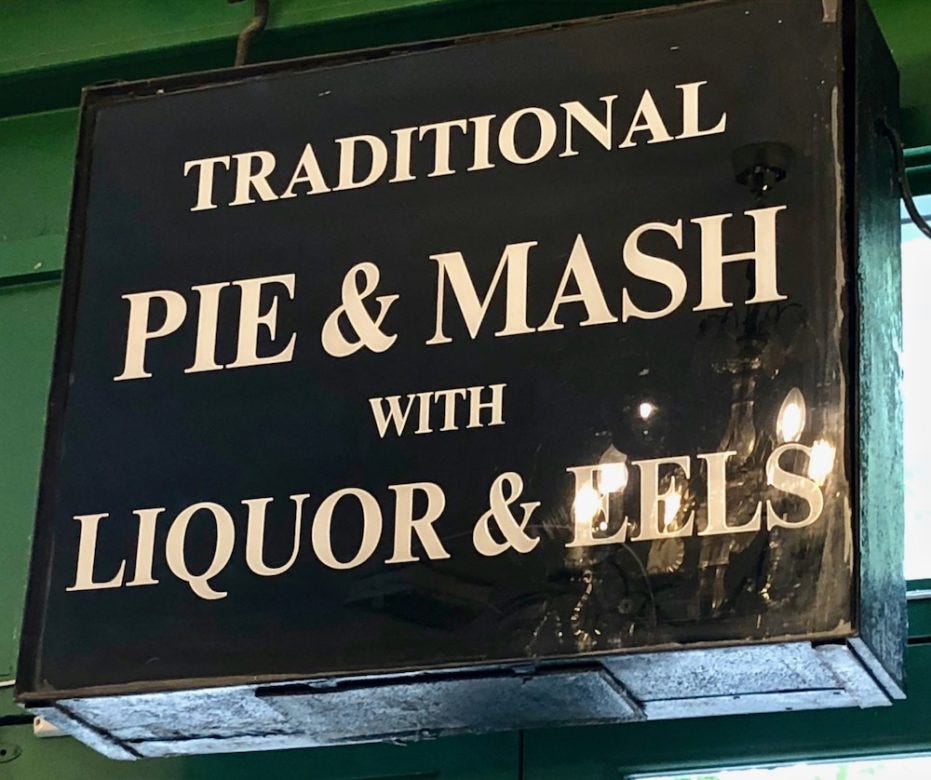
But wait! In a riveting twist on the master-twist, Jeeves rescues the offending outfit from the above-mentioned receptacle, embraces his proletarian roots, and abandons his erstwhile master to open a pie and eel shop in Stepney and marry a cleaning lady named Doris.
The book, as I say, has been ruthlessly supressed by guardians of the Wodehouse flame, which didn’t stop celebrated thespian Stephen Fry giving it a twelve-star review in Hyperbole Now, in spite of the fact that, not only had he not read it, he’d never even heard of it. I can only concur, though probably with fewer adverbs.
[1] The horror! The horror!